Regenerative Surgery (Periodontal)
Intrabony defects ≥ 3 mm: bone grafts and / or barrier membranes (R6.3). Microsurgical technique improves outcomes.
Evidence Guidelines & evidence
- EFP S3 R6.3
Regenerative periodontal surgery (with bone substitutes and / or barrier membranes) is recommended for the treatment of intrabony defects ≥ 3 mm in periodontitis patients.
1 Flap elevation & access
Papilla-preserving incision design (modified or simplified papilla preservation). Conservative full-thickness reflection. Goal: maintain interdental tissue to cover the graft.
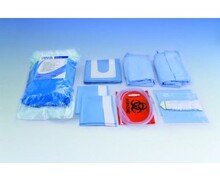
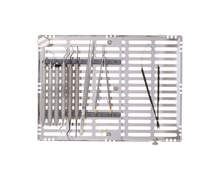
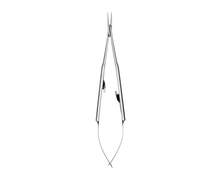
2 Defect debridement & root surface conditioning
Granulation tissue removal. Mechanical instrumentation of the root surfaces facing the defect. Optional: enamel matrix derivative or chemical root surface biomodification.
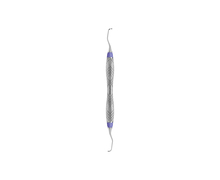
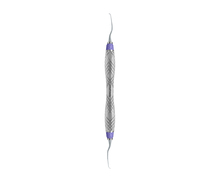
3 Bone graft & barrier membrane
Place bone substitute (allograft, xenograft, or alloplast) into the intrabony defect. Cover with resorbable or non-resorbable barrier membrane (R6.3). Defect ≥ 3 mm with 2–3 containing walls is the ideal indication.
4 Tension-free primary closure
Microsurgical suturing. Goal: complete coverage of graft and membrane. Vertical mattress and/or sling sutures preferred to maintain papilla position.
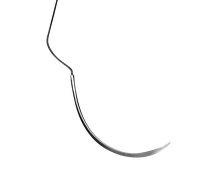
5 Post-operative healing
No probing or instrumentation at the site for 6 months. Soft diet 1 week. Chlorhexidine rinse 4–6 weeks. Specialist follow-up at 1 / 3 / 6 months.