
Resective Surgery (Periodontal)
Apically positioned flap ± osseous recontouring for suprabony pockets where regeneration is not indicated (R6.4).
Evidence Guidelines & evidence
- EFP S3 R6.4
Resective procedures may be considered as an alternative to access flap surgery in step 3.
1 Flap elevation & access
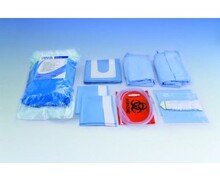
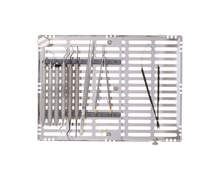
Apically positioned flap design. Vertical releasing incisions where access requires. Reflect to expose alveolar crest and the suprabony defect.
2 Root surface debridement
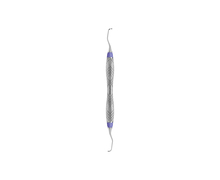
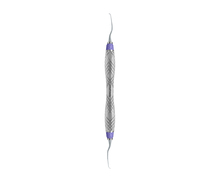
Mechanical removal of remaining biofilm and calculus from root surfaces under direct vision. Hand curettes and ultrasonic instruments.
3 Osseous recontouring
Eliminate the suprabony pocket via osteoplasty (bone reshaping for contour) and ostectomy (limited removal of supporting bone). Aim: positive bony architecture amenable to maintenance.
4 Apical positioning & closure
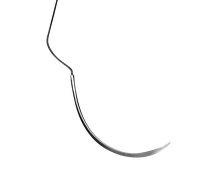
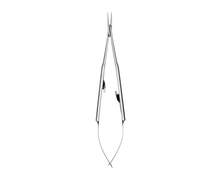
Position flap apically at the new alveolar crest level. Secure with sutures. Microsurgical technique.
5 Post-operative healing
Standard post-op care. Expect some increased recession at the treated site — counsel patient pre-operatively.