Reconstructive Surgery (Implants)
Intrabony / circumferential defects.
Reconstructive procedures preferably for intra-osseous defects ≥3 mm depth (R8.8).
Evidence Guidelines & evidence
- EFP S3 R8.7
In the surgical management of osseous defects, access flap with or without reconstructive procedures may be considered; no evidence demonstrating superiority of any specific surgical technique.
- EFP S3 R8.8
Reconstructive procedures preferably be applied at intra-osseous defects with a depth of ≥3 mm.
- EFP S3 R8.9
Bone grafts with or without barrier membranes may be considered in reconstructive procedures.
- EFP S3 R8.10
We do not know whether a submerged or transmucosal healing protocol would influence the outcomes of reconstructive procedures.
1 Flap elevation & access
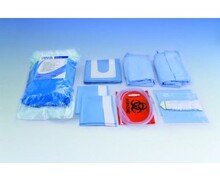
Access flap for thorough visualization of the defect. Intra-operative confirmation of intrabony defect ≥3 mm depth.
2 Surface decontamination
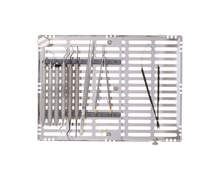
Thorough mechanical cleaning of the implant surface. Gauze + saline. Titanium brushes may be considered (R8.11). Do NOT use air polishing, Er:YAG laser, chlorhexidine, or photodynamic therapy for surface decontamination during surgery.
3 Bone grafting & membrane placement
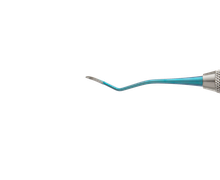
Bone grafts with or without barrier membranes may be considered (R8.9). Reconstructive procedures preferably applied at intra-osseous defects with depth ≥3 mm (R8.8).
4 Tension-free primary closure
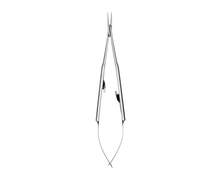
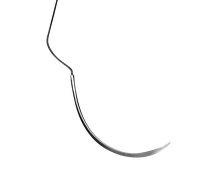
Microsurgical precision for tension-free flap closure to protect the graft and promote healing. Fine sutures and microsurgical instruments reduce tissue trauma.
5 Post-operative healing
Protected healing protocol for optimal regeneration. Submerged vs transmucosal healing: no evidence of differential outcomes (R8.10).