
Re-evaluation of Step 2
Endpoints met (no PD > 4 mm) → SPT. Residual pockets > 4 mm → Step 3.
GPDental HygienistPeriodontist
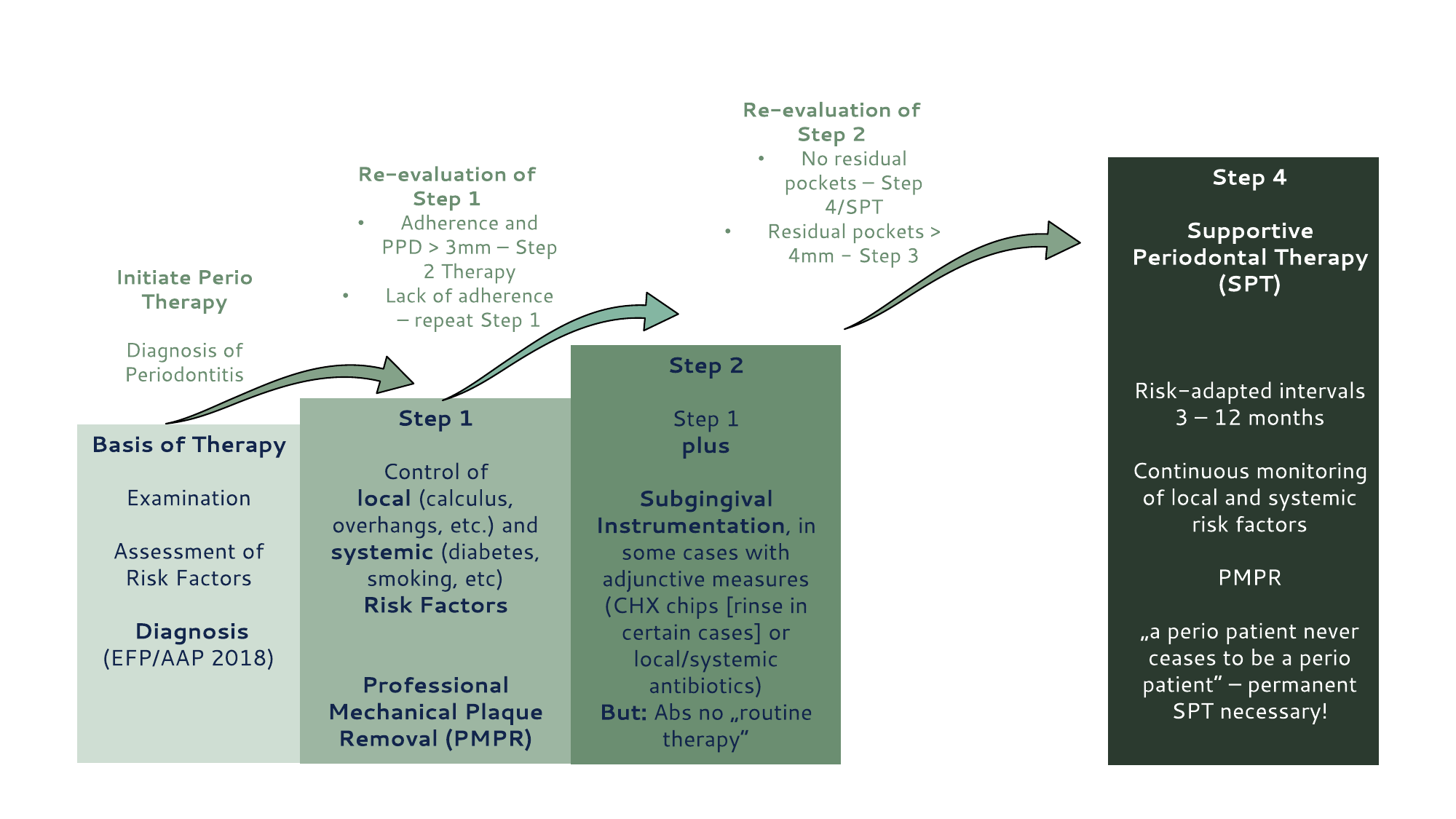
Endpoints (R5): PD ≤ 4 mm at all sites, no BOP. Reaching these endpoints means SPT (skip Step 3). Falling short means Step 3.
Evidence Guidelines & evidence
- EFP S3 R5 — endpoints
Treatment endpoints after step 2: probing depth ≤ 4 mm at all sites with no bleeding on probing.
1 Re-assessment at 8–12 weeks
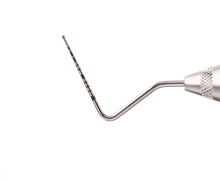
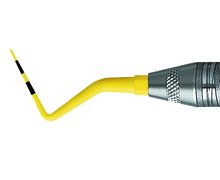
Full-mouth probing depths, BOP, suppuration. Endpoints (R5.x): PD ≤ 4 mm with no BOP at any site. Persistent PD ≥ 5 mm or PD = 4 mm with BOP → consider Step 3 surgery.
Illustration · Step 1
Your decision
Expert perspectives
“If you reach PD ≤ 4 mm with no BOP at re-evaluation, you have done your job. Most patients can be maintained with SPT alone.”
Prof. David Herrera
Periodontology, Complutense University Madrid